
Åluri
Seeds of imposter syndrome

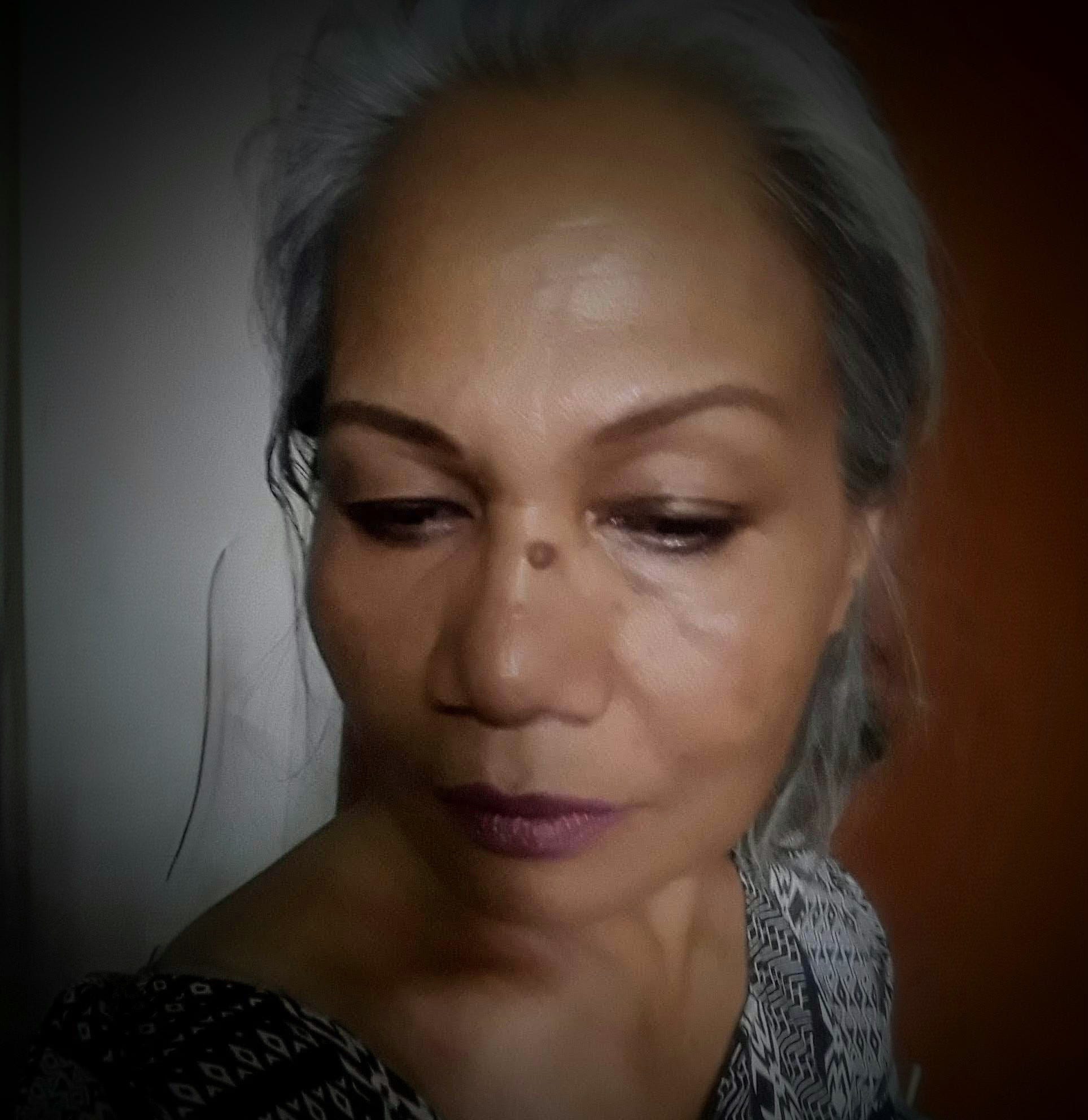
I was all dressed up—I think I looked pretty, though I was not sure. Those days weren’t like today, when everyone has a phone camera for a quick self-check and there were no full-length mirrors too. I stole one last glance at myself in the glass window—hair in place, outfit holding steady. Then I huddled in the van with my friends, the same nervous thoughts probably swirling through all our minds.
It was a dark hall, already filled with people. We entered, searching for a spot to sit. I wore platform shoes—the kind where, if you peeled back the fake leather, you’d find solid pieces of wood cut to the shape of feet. That was the trend back then.
I turned, stepped forward with my right leg, but it hit a barricade. It stopped me cold. A loud thud echoed through the hall, and with it came that false prophet’s voice ringing in my head: “You’re good for nothing, Aluri.” Shame piled on thick.
I don’t remember a word the speaker said. My earlier worries about my outfit and looking pretty felt trivial now, dwarfed by the heavy load of clumsiness. That shame followed me to bed, lingered through the night and into the next morning—and even today, it says hi when it gets the chance.
The seed of “Aluri”—good-for-nothing—was planted long before, back when I was learning to cook rice. It took root the first time I went to the rice fields, slipping and falling flat because, well, I was Aluri. I wasn’t like my pretty classmate who did her chores perfectly.
No, I liked climbing trees, roaming the fields with friends, eating wild berries. I even missed Sunday school tests, carried away by play.
The five years of Nursing life was like a hell, it was place infested with negative people. They were like airport immigration detectors—every cell primed to spot faults in others, even mistaking safe things for dangerous. Those gathered there couldn’t recognise a single positive trait. And there, every “Aluri” seed got fertilised, growing into full fruit.
But I burned with a desire to do something great and meaningful. I longed to be like Mother Teresa, giving hope to the destitute and dying on Kolkata’s streets—or like Pandita Ramabai, creating homes for orphans. I was that wide-eyed, dream-filled girl. But I was Aluri.
Is Aluri worth anything? Is it worth living? One day, someone called me a perfectionist. I didn’t grasp the word then—I thought striving for perfection was good. But what I missed was this: surrounded by criticism, I pushed myself to be flawless in every area of life, always falling short.
I chased validation through my work, my life, striving to be the best. Yet I never felt enough, never good. Every critique—positive or negative—drove the root of Aluri even deeper.
Fortunately, I left that hellish environment for a place where healing began. Here, I didn’t have to do anything to receive love and acceptance. I didn’t need to prove my worth by being perfect. The roots of Aluri were extracted, one by one. New roots—of love and acceptance—started to emerge.
I no longer felt constantly under a scanner. I felt free to be who I am. I’m glad I exist—grateful to live, know, and experience the Source of my life. Here, I realised my life is worth living.
And yours is too.

When you are moved to give
because you received something
from my writing please leave a donation here.
Do you struggle with an imposter syndrome? How has this post encouraged you ?
Nice. Glad you have overcome "Aluri".